
+918048033927


This is your website preview.
Currently it only shows your basic business info. Start adding relevant business details such as description, images and products or services to gain your customers attention by using Boost 360 android app / iOS App / web portal.
917045209025
Chat with us 


Can Varicose Veins Cause Blood Clots? Symptoms and Warning Signs
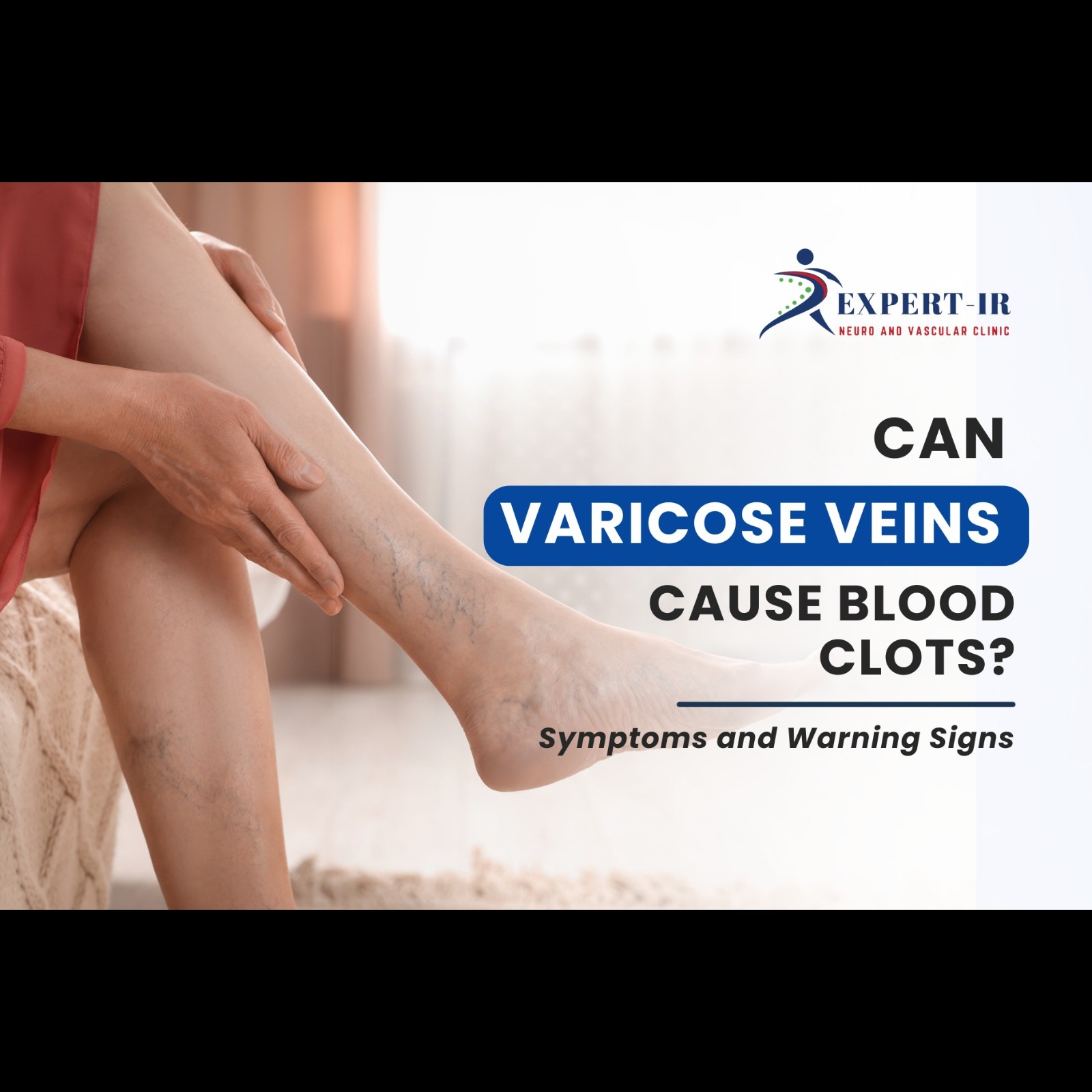
Can Varicose Veins Cause Blood Clots? Symptoms and Warning Signs Q: Can varicose veins cause blood clots? Yes, they can. Blood moves slowly in swollen, twisted veins, and slow blood clots more easily. Most of the time it’s a small clot just under the skin. Sometimes it’s a deeper one, and that’s the dangerous kind. Q: What is the difference between a superficial clot and DVT? A superficial clot sits close to the surface. It feels like a hard, tender cord. DVT happens deeper in the leg, and it can travel to the lungs. Don’t guess which one you have. Get it checked. Q: What are the warning signs of a clot? A vein that’s suddenly red, warm and painful. Swelling in one leg that wasn’t there yesterday. Calf cramps that don’t ease with rest. Breathlessness or chest pain means go to an emergency room immediately. Q: Who should get checked early? Anyone with long-standing varicose veins, leg heaviness, skin darkening or ulcers near the ankle. A family history of clots matters too. An interventional radiologist in Pune can run a Doppler scan and tell you where you stand. Q: How are varicose veins treated? Modern varicose veins treatment in Pune is mostly minimally invasive. Laser or radiofrequency ablation closes the faulty vein through a tiny puncture. No big cuts, no long hospital stay, and most people walk the same day. Worried about a swollen or painful vein? Reach out to Dr. Santosh Patil for a Doppler scan and a plan that fits your situation.